


Why is indoor air quality important?
Indoor Air Quality is now recognised as a threat since it can harm occupant health as well as affect cognitive function.
Why is air filtration necessary?
Indoor Air Quality is now recognised as a threat since it can harm occupant health as well as affect cognitive function.
- Historically the focus has been on outdoor Air Pollution
- Indoor Air is now recognised as being 5 times more polluted and concentrated compared to outdoor air (EPA)
- Majority of Buildings in the UK have not been designed and built with adequate Indoor Air Quality considerations
- Air Condition Systems are generally not Air Filtration system
- Health and Wellness of employees is a legal standard required by companies and the provision of clean Indoor Air is required under the general clause of health regulations.
- HEPA Filtration systems are recommended by authorities such as the Centre for Disease Control, WHO and SAGE in the United Kingdom / HSE in Ireland as part of the solution for Improving Indoor Air Quality
Who is at risk?
Employers want to ensure business continuity and maximum employee attendance (Wellbeing) as well as compliance with Health and Safety Standards.
Employees carry at Health Risk as they spend considerable time indoors in areas where Indoor Air Quality may be poor or not designed into the building. (Immunio compromised/ People with with Allergies etc).

How do Mia Air HEPA air purification systems work?
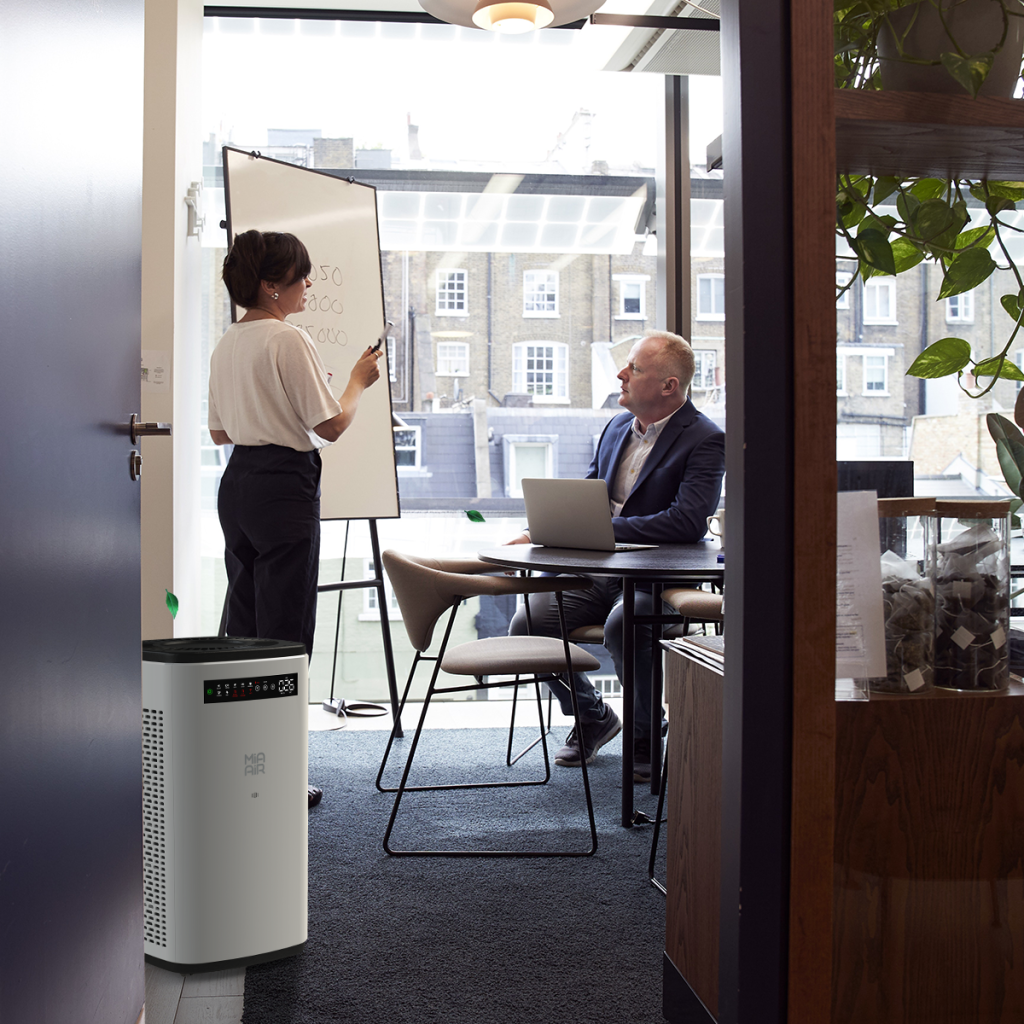
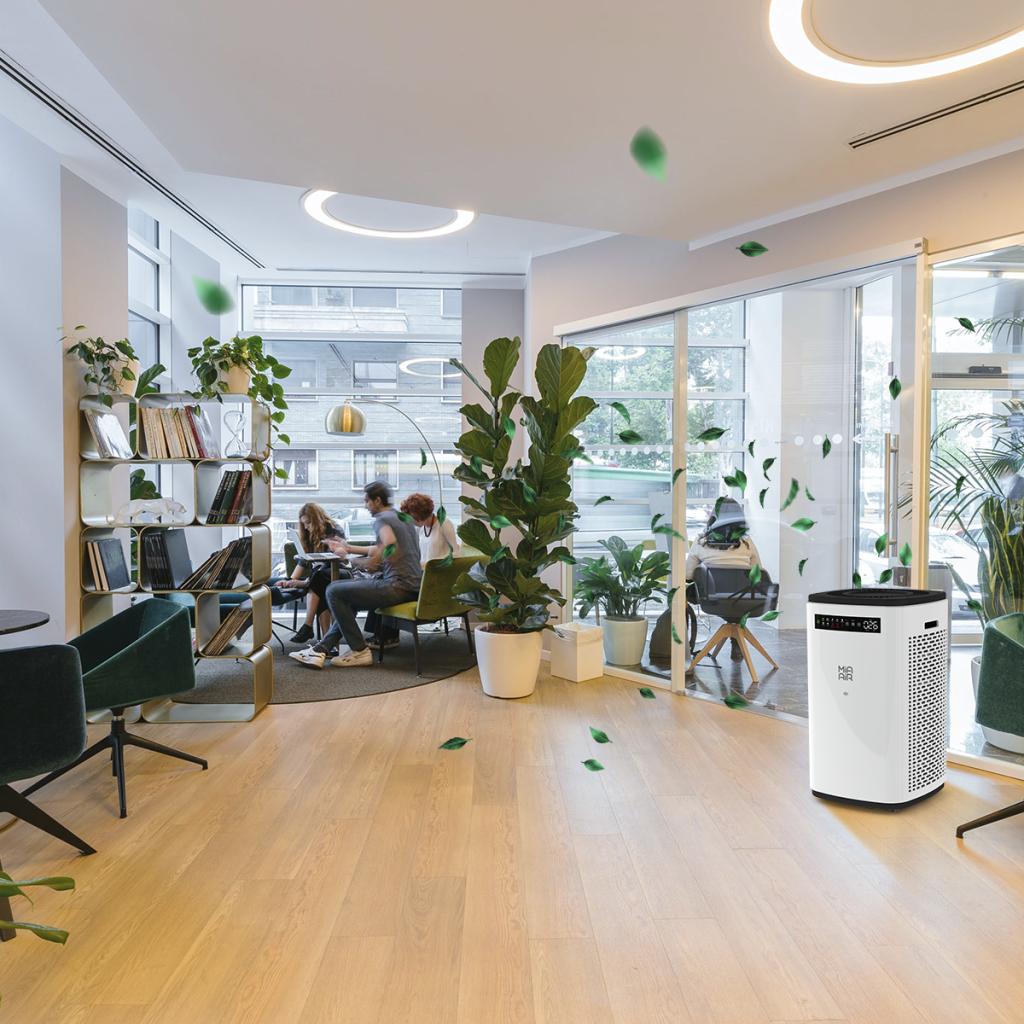
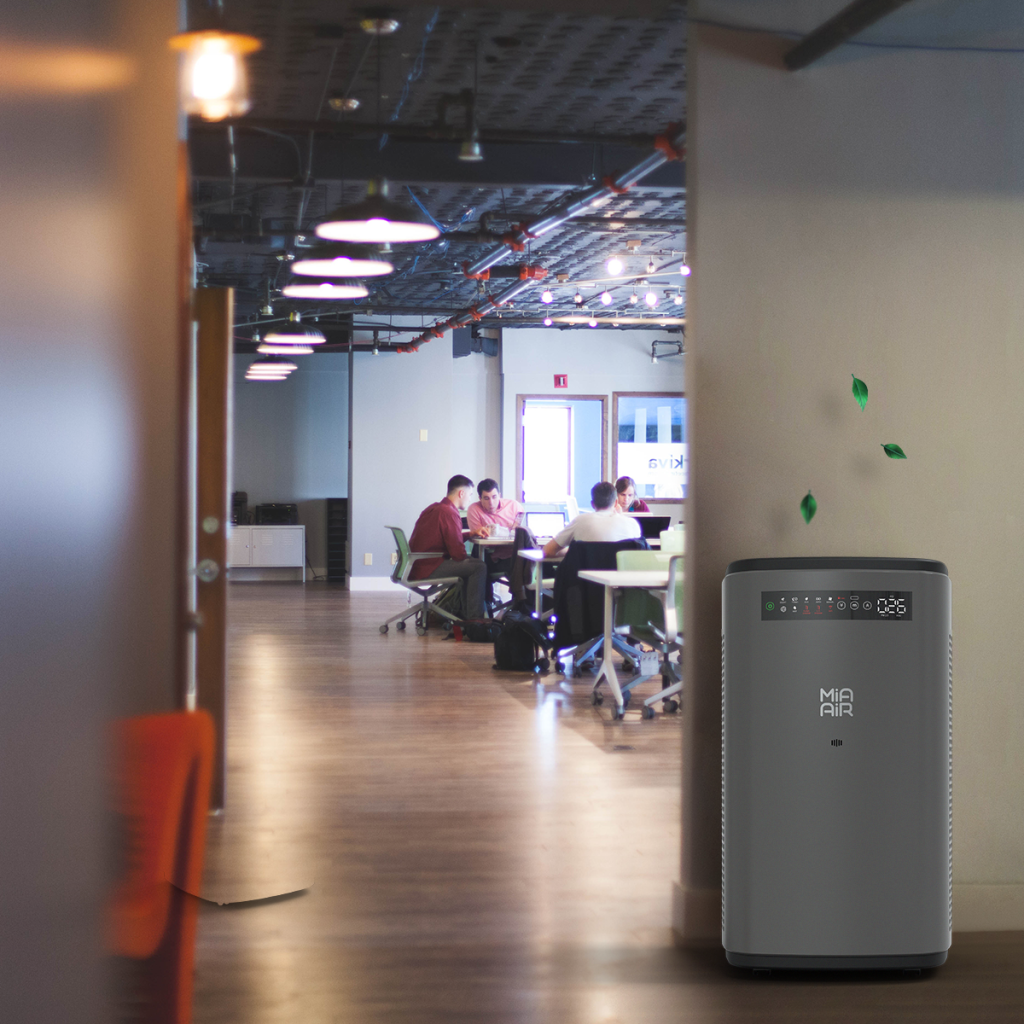
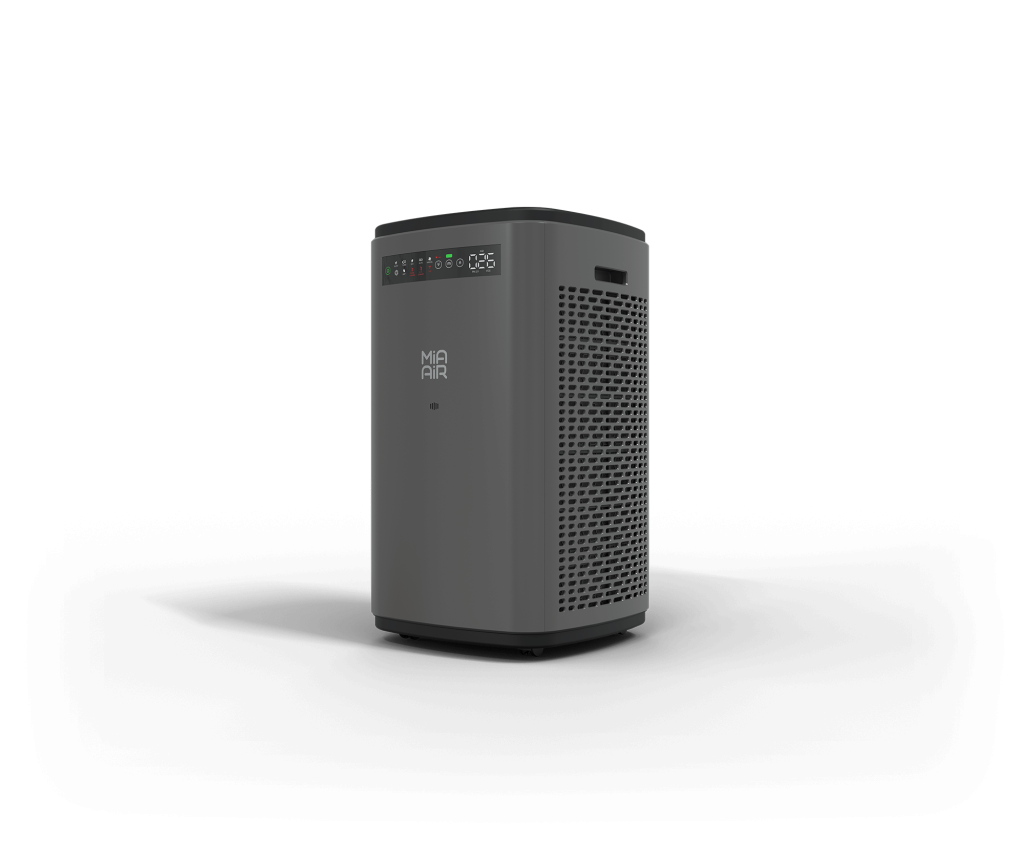
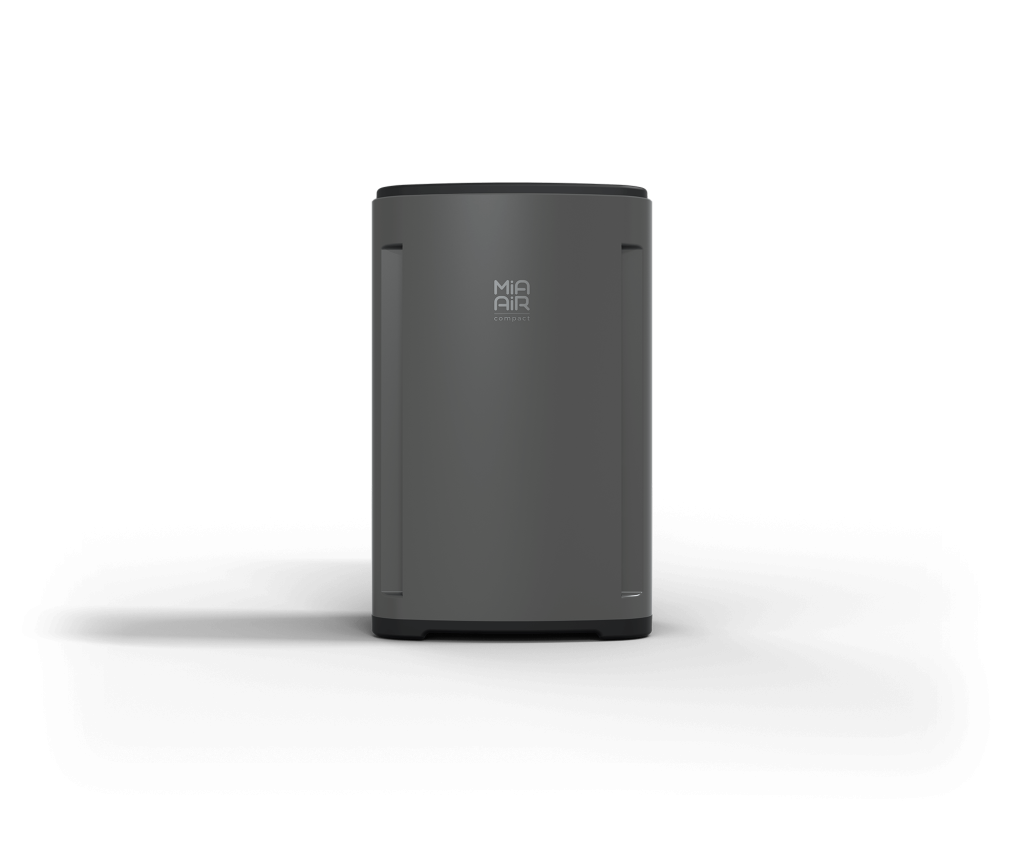
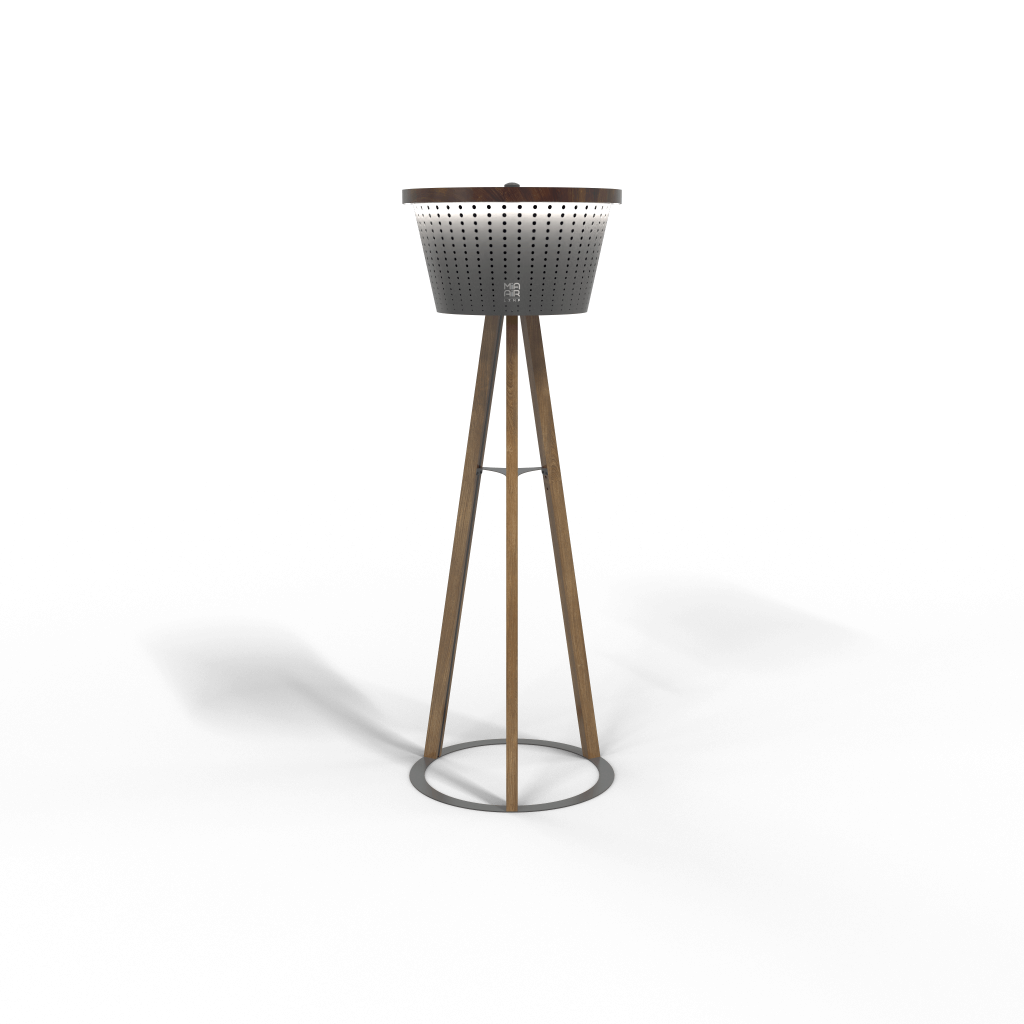
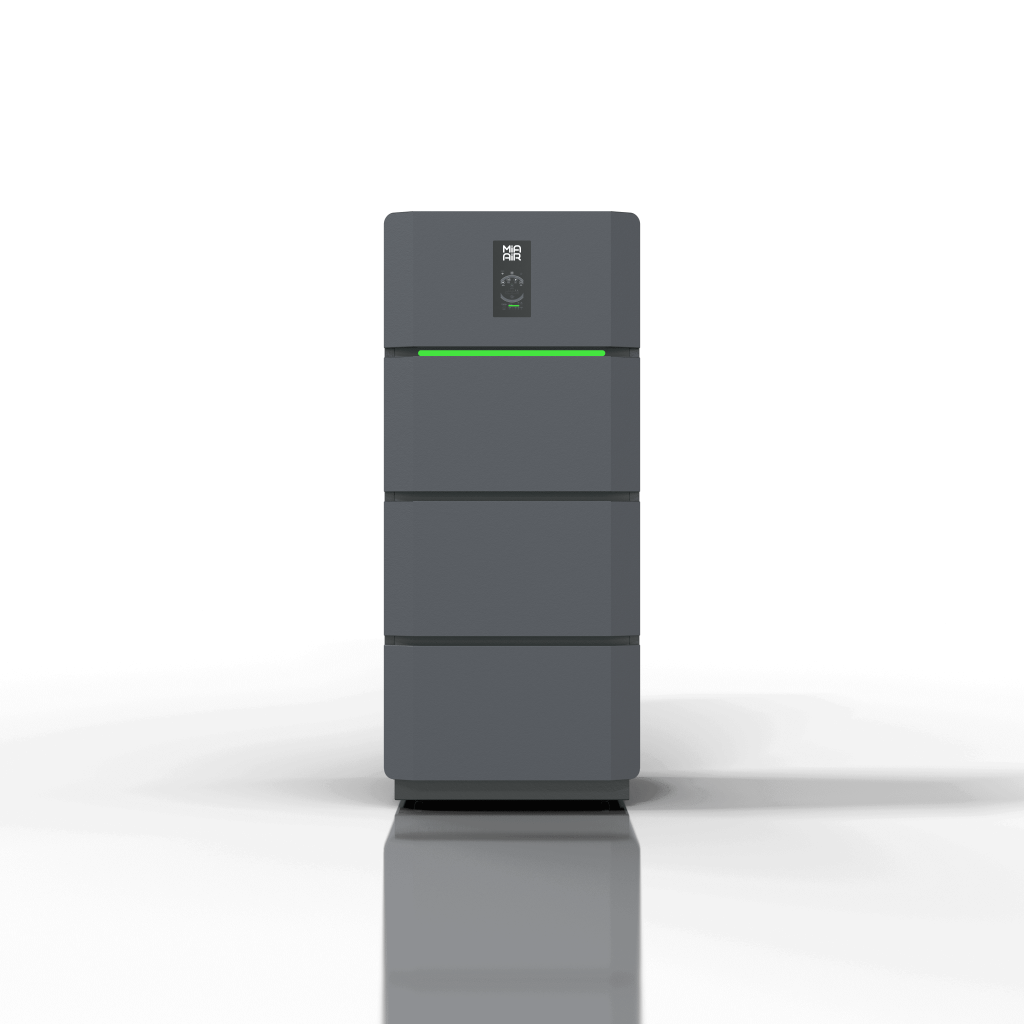
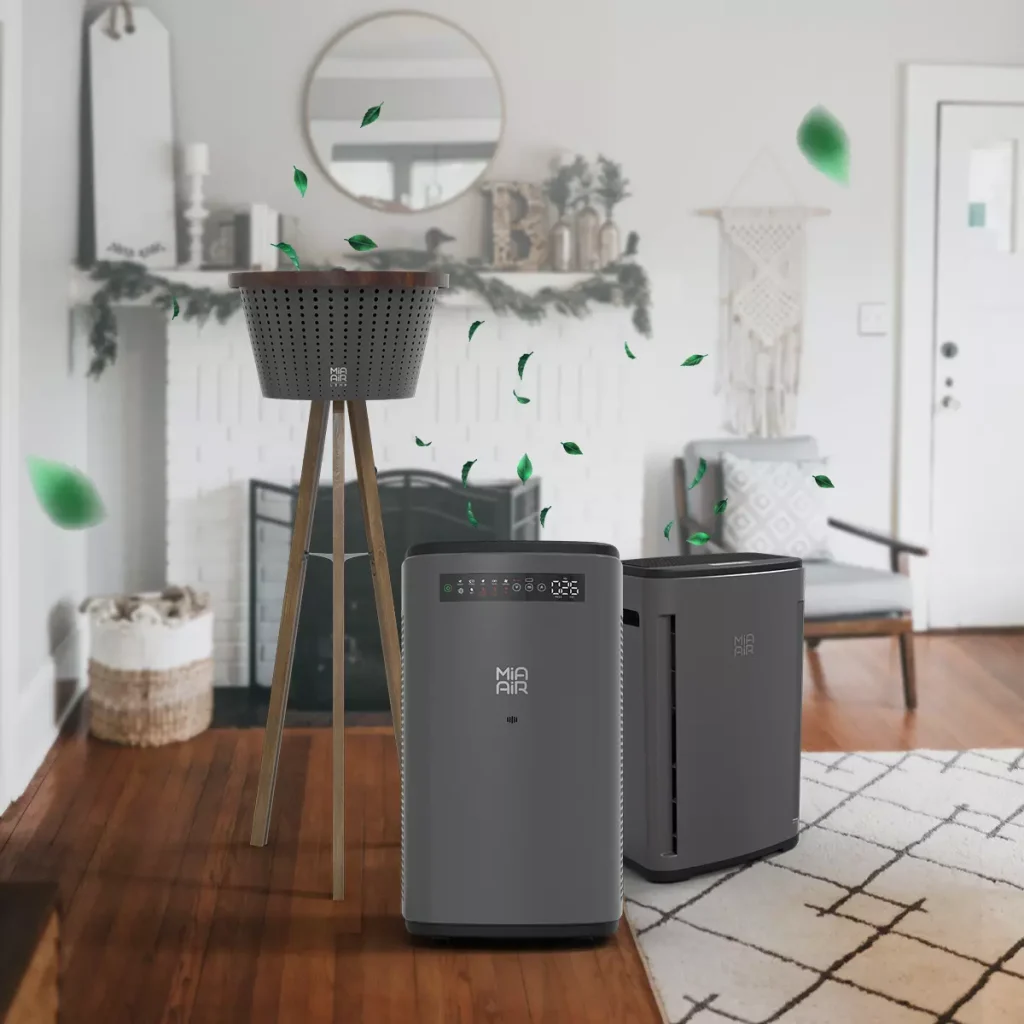
Mia Air draws in the Air through the room using its powerful fan.
The Air travels through a Pre Filter to remove larger particles, then through an Active Carbon Filter which removes VOC (Volatile Organic Compounds, including Odors)
The Pre Filtered Air is then pushed through the HEPA 14 Filter, which captures at least 99.995% of particles, including Sars-coV-2 and influenza.
Optional UVC light further breaks down pathogens that have passed
through the HEPA Filter.
The Clean or Filtered Air is then pushed out via the powerful fan, and the Air is spread through the entire area of the room.

HEPA Filtration systems are recommended by authorities such as the Centre for Disease Control, WHO and SAGE in the United Kingdom / HSE in Ireland as part of the solution for Improving Indoor Air Quality
Most people are aware that outdoor air pollution can impact their health, but indoor air pollution can also have significant and harmful health effects.
EPA studies of human exposure to air pollutants indicate that indoor levels of pollutants may be two to five times — and occasionally more than 100 times — higher than outdoor levels.
These levels of indoor air pollutants are of particular concern, because most people spend about 90 percent of their time indoors.
In fact, many office buildings have significant air pollution sources. Some of these buildings may be inadequately ventilated. For example, mechanical ventilation systems may not be designed or operated to provide adequate amounts of outdoor air. Finally, people generally have less control over the indoor environment in their offices than they do in their homes. As a result, there has been an increase in the incidence of reported health problems.